Latex paint can be a stubborn beast, turning what should be a quick job into a frustrating battle with roller marks and clogged sprayers. The solution isn’t a mystery—it’s the right additive. We’re looking at three top contenders that genuinely change the game: Flood Floetrol, Wagner Paint Easy, and JB Industries Latex Paint Conditioner. Each one tackles thickness differently, so your choice depends on your specific project. Stick around, because the difference between a streaky mess and a smooth, professional finish is simpler than you think.
| Wagner Paint Easy Latex Paint Conditioner 32 OZ white |  | Best for Sprayers | Container Size: 32 fluid ounces | Primary Function: Thins latex paint without dilution | Application Method Compatibility: Spraying, brushing, rolling | VIEW LATEST PRICE | Read Our Analysis |
| JB Industries Latex Paint Conditioner 32 oz |  | Budget-Friendly Pick | Container Size: 32 fluid ounces | Primary Function: Dilutes water-based latex paint without compromising color or coverage | Application Method Compatibility: Spraying, brushing, rolling | VIEW LATEST PRICE | Read Our Analysis |
| Flood Floetrol 1 Gal Latex Paint Additive & Conditioner | 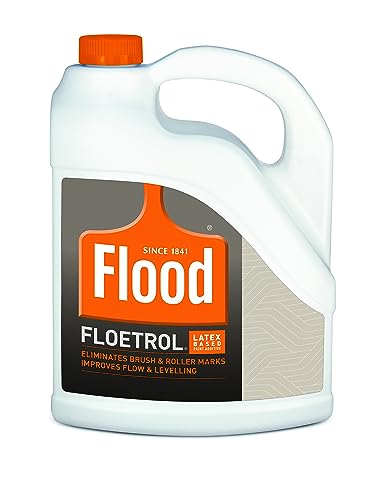 | Professional Grade | Container Size: 128 fluid ounces (1 gallon) | Primary Function: Improves flow, leveling, and self-leveling properties without thinning | Application Method Compatibility: Spraying, brushing, rolling, and pouring (fluid art) | VIEW LATEST PRICE | Read Our Analysis |
More Details on Our Top Picks
Wagner Paint Easy Latex Paint Conditioner 32 OZ white
If you’re using a Wagner sprayer, this conditioner is your go-to. It’s a 32-ounce liquid that thins latex paint without diluting it. That means no watery mess. Just smooth, consistent finishes.
Here’s the step you need: mix 4 ounces of Paint Easy with every quart of latex paint. Stir until it’s evenly blended. Then spray, brush, or roll with ease. It works on painted or primed surfaces indoors and outdoors.
And after your project? Tightly cap the twist top. Store it on your workbench for the next job. It’s non-toxic, low odor, and lasts across multiple projects. Simple as that.
- Container Size:32 fluid ounces
- Primary Function:Thins latex paint without dilution
- Application Method Compatibility:Spraying, brushing, rolling
- Suitable Surfaces:Painted or primed surfaces, indoor and outdoor
- Formula Composition:Non-toxic, low odor
- Storage Design:Twist-cap for secure sealing
- Additional Feature:Non-toxic and low odor
- Additional Feature:Compatible with Wagner sprayers
- Additional Feature:Twist-cap secure sealing
JB Industries Latex Paint Conditioner 32 oz
This conditioner is your budget-friendly pick for flawless latex finishes. It’s a simple glycerin additive that thins water based latex without messing with color or coverage. You’ll notice less drag and fewer streaks, and those dreaded brush or roller marks? Gone. It also works magic in sprayers, ensuring smooth atomization for a professional look.
- Key Specs: 32 oz bottle, clear liquid, about 2 pounds.
- Use it for: Spraying, brushing, or rolling.
- Storage: Resealable cap keeps leftover conditioner fresh.
With a 4.4 star rating and a 30 day return policy from Amazon, it’s a solid, low risk choice. And hey, that big bottle handles everything from whole walls to quick touch ups.
- Container Size:32 fluid ounces
- Primary Function:Dilutes water-based latex paint without compromising color or coverage
- Application Method Compatibility:Spraying, brushing, rolling
- Suitable Surfaces:Not explicitly specified, but suitable for general latex paint projects
- Formula Composition:Composed of glycerin
- Storage Design:Resealable cap for future use
- Additional Feature:Reduces drag and streaking
- Additional Feature:Composed of glycerin
- Additional Feature:Clear colored additive
Flood Floetrol 1 Gal Latex Paint Additive & Conditioner
Flood Floetrol is your secret weapon for flawless latex paint finishes. You’ll get that oil-paint feel without the messy cleanup. It transforms your latex into a self-leveling dream, erasing brush strokes, roller stipple, and those annoying lap lines. Plus, it extends open time for easier blending.
Here’s what it does for you:
- Improves sprayability: Reduces tip clogging and piston freeze-up, letting your water-based latex atomize like oil-based.
- Perfect for pours: Use it as a pouring medium for fluid art to create cells and improve consistency without cracking.
- Covers 300 sq. ft.: A gallon treats a significant area.
Just mix it in and watch your paint flow smoothly.
- Container Size:128 fluid ounces (1 gallon)
- Primary Function:Improves flow, leveling, and self-leveling properties without thinning
- Application Method Compatibility:Spraying, brushing, rolling, and pouring (fluid art)
- Suitable Surfaces:Walls, trim, cabinets, doors, interior and exterior
- Formula Composition:Fast-drying formula; commercial paint additive
- Storage Design:Standard can container, resealable after opening
- Additional Feature:Pouring medium for fluid art
- Additional Feature:Extends open time
- Additional Feature:Creates cells in art
Factors to Consider When Choosing Paint Thinner for Latex Paint

You’ll need to nail down your paint type compatibility first, since not every thinner works with every latex formulation. Your sprayer’s performance needs also matter, as thick paint can clog a fine tip while a fast-drying additive might wreck your finish if you’re working outside or in humid weather. And don’t forget the finish quality you desire, whether you’re after a smooth satin for indoor trim or a durable, weather-resistant coat for outdoor surfaces, which ties directly into your choice between an additive or a dedicated thinner.
Paint Type Compatibility
Why does the specific type of paint thinner you choose matter so much for latex paint? Because you’re not just thinning; you’re protecting the entire paint film. You need a thinner explicitly formulated for water-based latex to keep color integrity and full coverage intact. A compatible product prevents uneven drying, streaking, or poor adhesion. Always check the label for a clear statement that it dilutes or conditions latex without wrecking its properties. Incompatible options cause the paint to degrade, clump, or fail to bond properly to surfaces. That’s a disaster you can’t fix later. So, verify compatibility before you pour a drop, whether you’re brushing, rolling, or spraying. It’s a simple check that saves you from a frustrating, patchy mess. Trust the label, not the price tag.
Sprayer Performance Needs
Since you’re dealing with latex paint and a sprayer, your thinner choice needs to prioritize smooth, clog-free atomization. The right product optimizes spray gun performance, ensuring consistent paint flow that reduces sputtering and uneven patterns. Thinner viscosity directly impacts cleanup, too: an ideal agent lets you rinse equipment easily without residue buildup.
Achieving correct spray consistency prevents over-spraying and waste, boosting efficiency. Use a compatible paint conditioner or thinner; it maintains proper paint thickness and flow properties for flawless application. You’ll avoid frustrating clogs and get a reliable, even coat every time.
Remember: a well-thinned latex paint behaves like a dream in your sprayer, cutting down on mess and hassle. Pick a thinner that balances performance with easy cleanup, and you’ll save time and paint.
Finish Quality Desired
When you’re chasing a flawless finish, the thinner you choose plays a surprisingly big role. Your desired look, whether matte, satin, or gloss, directly guides your selection.
A proper latex paint conditioner minimizes brush and roller marks, helping you achieve that even, professional appearance. It improves flow and leveling, cutting down on streaking and ugly lap lines. But don’t over do it. Over thinning ruins coverage and leaves an uneven surface.
Here’s how your finish choice affects the thinner:
- Matte: Use a conditioner sparingly to keep flatness intact.
- Satin/Gloss: A bit more conditioner enhances smoothness and shine without losing opacity.
Stick to the recommended ratio on the label. That’s your best bet for a clean, consistent result that actually looks like you hired a pro.
Indoor vs. Outdoor Use
Your finish choice matters, but so does the room or wall you’re painting. For outdoor projects, you need a thinner that’s UV-resistant and built to handle weather. It prevents fading and peeling from sun and moisture, so your paint lasts longer. Indoor thinners don’t need that protection. Instead, pick a low-odor, non-toxic formula for safe use inside your home. The chemistry changes too. Outdoor thinners often include additives for durability and weatherproofing. Indoor ones focus on quick drying and odor reduction. So, match your thinner to the environment. A garage wall isn’t the same as a living room. Choose wisely, and your project will hold up better, no matter where you paint.
Additive vs. Thinner Choice
Before you reach for a bottle of thinner, you have to decide whether you actually need to dilute the paint at all. Additives like paint conditioners improve flow and leveling without sacrificing your color’s opacity. They keep your finish smooth, preventing brush marks or streaking, while maintaining the paint’s original thickness. Thinners, on the other hand, are your go-to when you need to radically change consistency for a sprayer or stiff brush. Just remember, overusing them will wash out your coverage.